- » All Antique Rugs
- » Antique Turkish Rugs (2)
-
»
Antique Persian Rugs
- » Bakhtiari Rugs (21)
- » Bibikabad Persian Carpets (10)
- » Bijar Antique Persian Carpets (15)
- » Dorokhsh Antique Rug (14)
- » Farahan Sarouk Rug (63)
- » Hamadan Persian Carpets (23)
- » Kashan Persian Rug (34)
- » Khorasan Antique Carpets (5)
- » Kurd Antique Tribal Rugs (35)
- » Mallayer Persian Rug (162)
- » Mashad Rugs (3)
- » North West Persian Antique Rug (11)
- » Persian Traditional Rugs
- » Ravar Kerman Antique Rugs (181)
- » Sarab Antique Rug (55)
- » Sarouk Antique Persian Rug (34)
- » Seneh (4)
- » Serapi Antique Rugs (50)
- » Sultanabad Antique Rug (102)
- » Tabriz Perisan Antique Rug (139)
- » Tehran (7)
- » Antique Khotan Rugs (314)
- » Antique Indian Rugs
- » Antique Chinese Rugs
- » Antique Russian and Caucasian
- » Antique European Rugs and Tapestries (1)
- » Semi-Antique Persian Rugs
- » Persian Tribal Rugs
- » Other Rugs
Antique Rugs
-
Antique Turkish Rugs
The oldest known rug in Turkey dates from the Fifth Century BC and hand weaving techniques were introduced in the Twelfth Century. Antique Turkish rugs embody tradition as old as those of Persia. However, since most Turks are Sunni Muslims, they observe the Koranic prohibition against the depiction of people and animals more strictly than the Shiite Persians. Therefore, Antique Turkish carpets have designs based on geometric motifs. Calligraphy is also used as a motif. Repeating patterns are rare and prayer rugs with mihrabs in solid colors are common. The colors must frequently used were bright reds and blues and have faded over the years to the softer palettes seen in Turkish rugs today. Hand knotted rugs are always woven with the Ghiordes knot. Each of the weaving centers in Anatolia created a distinct signature style native to its region. Styles of Turkish handmade rugs include Tulu, Karapinar, Ladik, Konya, Ushak (Oushak), Kayseri (Kysari), Burdur, Soumak and Kilim.
-
-
Antique Persian Rugs
Persia has a reputation for producing the highest quality and most beautiful rugs in the entire world. And they have been doing this for hundreds of years. The traditional designs have the name of the tribal region where they were made. Antique Persian rugs can be divided into two main categories, city rugs which are known for their finely woven, intricate designs and village rugs which vary greatly in their blends of city and nomadic motifs. Most city rugs present a central motif or medallion. However, some adopt a design of repetitive floral icons. Antique Persian Rugs are easily identified by their geometric patterns and intricate floral patterns. The fields are lavishly covered with intricate designs of buds and blossoms supported by vines and tendril and frequently encircled by interlacing arabesques. Their most distinctive colors are reds, dark blues and greens arranged so that the colors of border and field generally contrast, yet remain in near perfect harmony.
-
-
Antique Khotan Rugs
Rugs produced in Kashgar, Yarkand and Khotan in the Chinese occupiedAutonomous Region of Sikiang are collectively known as Samarkands.Typically, these are long and narrow with simple spacious designs wovenin a glossy wool. Samarkand rugs frequently use lacquer reds, Chineseyellows. They are heavily influenced by the neighboring countries ofChina and Turkey and have been produced in this region since at leastthe seventeenth century. -
-
Antique Indian Rugs
India has been making rugs since the Mughal Dynasty. While the antique rugs that were made during the late 19th century recall past Mughal designs, for the most part, they reflect classical Indian and Persian designs. Agra and Amritsar are the two main centers of 19th century Indian rug making. While Amritsa rugs often display informal motifs in soft, earthy tones, Agra rugs display deeper colors, decorative floral displays and fine knotting. Antique Agra rugs use an intense pallet of red, yellow, pink, light blue, ivory and green. The designs are distinguished by their asymmetry and strong sense of design. The decoration shows a preference for naturalistic floral motifs and scenes often arranged in full fields, using rows or lattices. The general character that informs these rugs is thus very rich, aristocratic, and refined.
-
-
Antique Chinese Rugs
Decorative rugs have been a significant art form in the Chinese culture for many centuries. Chinese Oriental Rugs employ a palette of blue, beige, apricot and yellow as their main colors. They display motifs that include the classical Buddhist or Taoist symbols of longevity, elaborate lotus blossoms, chrysanthemums, cloud band motifs, dogs and birds. They are usually framed with a simple, wide border. In contrast to these earlier Chinese antique rugs, twentieth century Chinese Art Deco rugs can be in spare in design and quite radical in color.
-
-
Antique Russian and Caucasian
As Russia expanded in the Eighteenth century, it incorporated carpet producing regions of Central Asia and the Caucasus Mountains. The Caucasus is bounded by the Black and Caspian Seas to the east and west, Russia to the north, and Turkey and Iran to the south. It has produced very distinctive rug types since at least the end of the 18th century. These antique rugs use bold geometrical patterns often in the shape of diamonds, hexagons, small crosses and hooks. The rugs often depict folk motifs that include curvilinear animal and pattern figures in clear, strong primary colors made from natural materials that are found in the respective tribal regions. Throughout the Caucasus the Turkish Knot is used.
-
-
Antique European Rugs and Tapestries
Rug making was introduced to Europe by the Moors of Spain between the eighteenth and thirteenth centuries. Initially, Oriental rugs exerted a strong influence on European rug designers. However, these rug makes developed their own unique styles and techniques with time. By the early seventeenth century, Savonnerie was producing rugs for French palaces, state gifts and important commissions. Savonnerie became the royal manufacturer for Louis XIV to Louis XVI. Their designs included floral arrangements, military and heraldic references and architectural motifs. However, only the king was able to own or sell a Savonnerie carpet. This led to rug production by Aubusson. These rugs emulated the designs of the Savonnerie carpets. Aubusson and Savonnerie have since produced some of the most exceptional rugs of the last few centuries. High quality rug production in England in the late eighteenth century led to the Arts & Crafts rugs of the late nineteenth century.
-
-
Distressed Antique Rugs
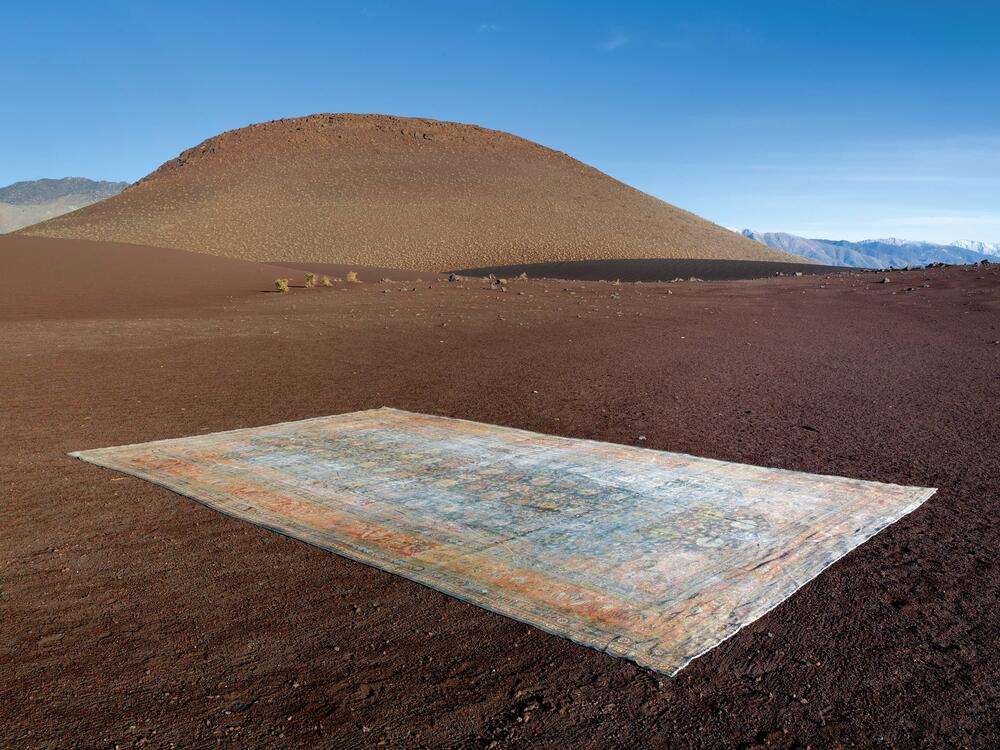
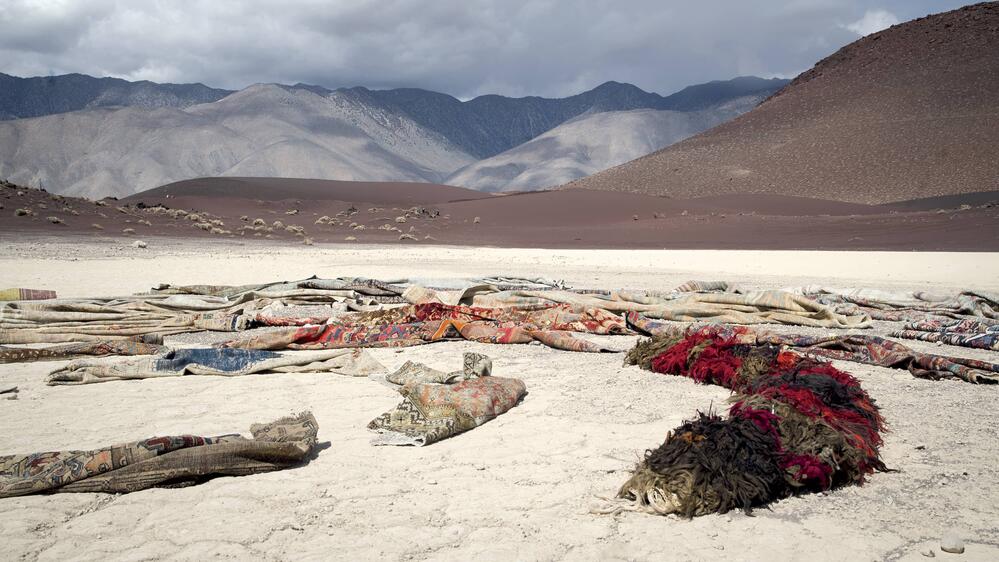
Woven Accents is proud to offer our fine array of Antique rugs lovingly collected from all over the world. From the finest palace rugs to the humblest tribal weavings, our collection reflects the vast variety of antique textiles that are available in the market.
-